



Innovation as seen on TV: a behind-the-scenes look at how kp develops sustainable food packaging
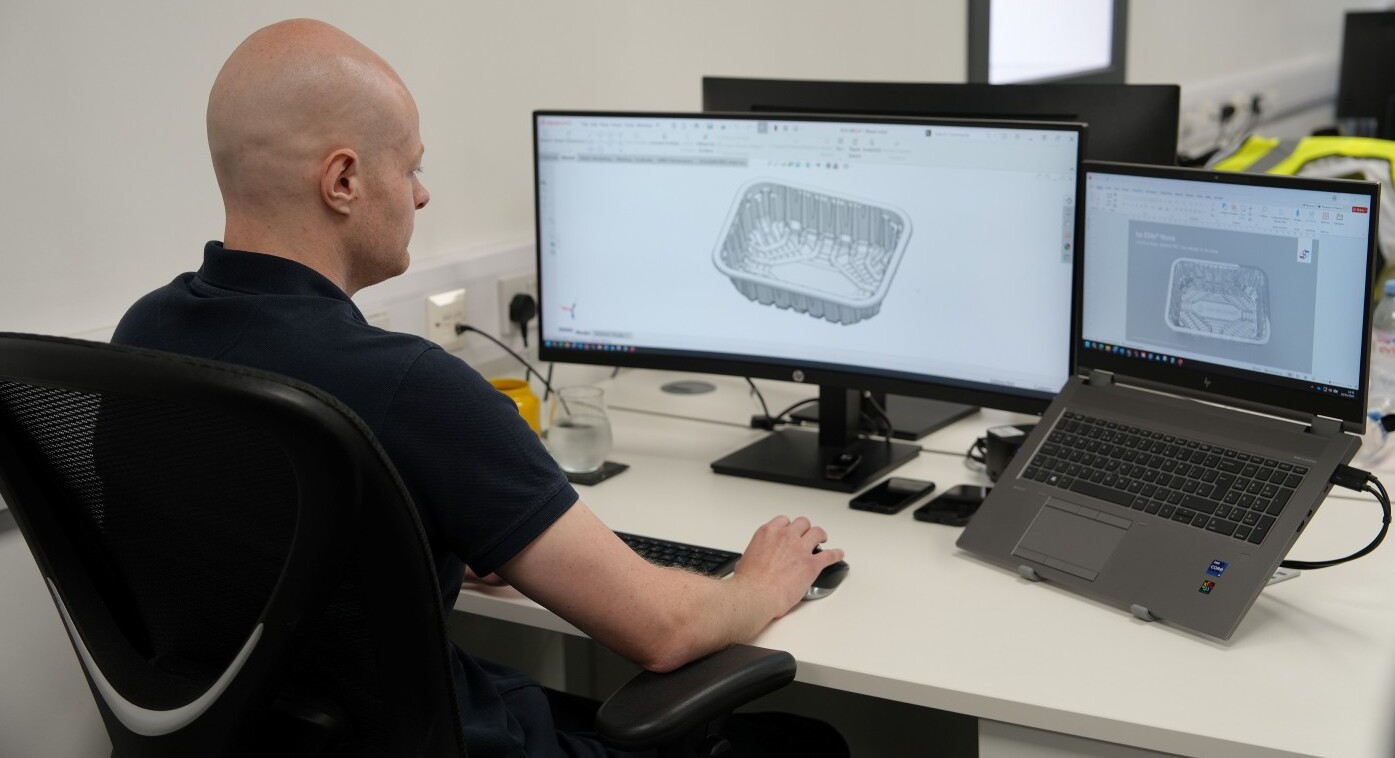
For food brands, retailers and processors today, packaging must meet an increasing set of requirements simultaneously. It needs to protect products, support food safety, reduce waste, use resources efficiently, comply with evolving regulation, and contribute to more circular material flows.
As these demands increase, packaging design often moves in the opposite direction - towards simplification, reduced material use and more streamlined formats.
Addressing this challenge requires expertise across material science, design, processing, recyclability and manufacturing. It was this broader industry context that formed the focus of a recent episode of Dutch sustainability programme, Doe Maar Duurzaam, which visited kp’s innovation hub and manufacturing site in Featherstone, UK, to explore how food packaging is developed in practice.
Addressing this challenge requires expertise across material science, design, processing, recyclability and manufacturing. It was this broader industry context that formed the focus of a recent episode of Dutch sustainability programme, Doe Maar Duurzaam, which visited kp’s innovation hub and manufacturing site in Featherstone, UK, to explore how food packaging is developed in practice.
Share this story
Sustainable packaging starts with design
A central theme explored in the programme is that there is no single ‘perfect’ packaging solution. Every pack involves decisions and trade-offs - between recyclability and resource use, recycled content and performance, product protection and shelf-life extension.
As Ben Elkington, VP Marketing & Innovation at kp, explains in the programme:
“Sustainability in food packaging is a complex issue, because it involves a number of decisions around different materials used in the packaging.”
As Ben Elkington, VP Marketing & Innovation at kp, explains in the programme:
“Sustainability in food packaging is a complex issue, because it involves a number of decisions around different materials used in the packaging.”
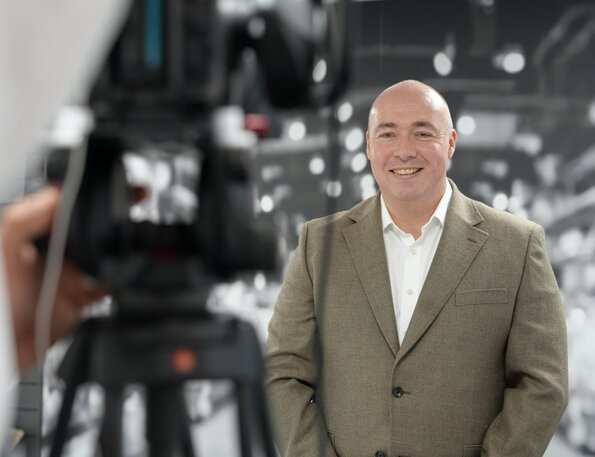
This makes a joined-up approach to design essential. Packaging cannot be optimised for one parameter in isolation; it must perform across the full lifecycle of the product. That includes processing and sealing, retail presentation, consumer use, and end-of-life collection and recycling.
In practice, this means designing packaging with the entire value chain in mind - ensuring that sustainability considerations are balanced with the functionality required in real-world food applications.
In practice, this means designing packaging with the entire value chain in mind - ensuring that sustainability considerations are balanced with the functionality required in real-world food applications.
Recyclability, recycled content and material efficiency
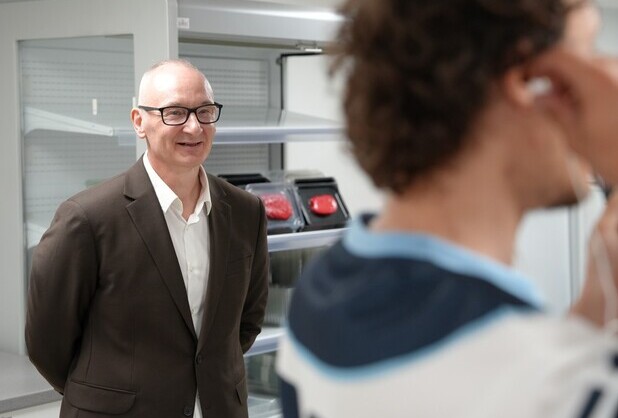
Recyclable plastic packaging can play a role in more circular systems, particularly when it is designed with both technical performance and end-of-life infrastructure in mind. The programme highlights how reducing material use and increasing recycled content can support lower environmental impact, while maintaining the performance needed to protect food.
Plastic remains a widely used material in food packaging because of its functional properties, including barrier performance and versatility. As such, improving how it is designed, used and recovered is a key part of ongoing industry efforts.
Plastic remains a widely used material in food packaging because of its functional properties, including barrier performance and versatility. As such, improving how it is designed, used and recovered is a key part of ongoing industry efforts.
At kp, this includes developing packaging formats that can incorporate post-consumer recycled content and are compatible with established recycling systems where those systems exist. Rigid PET trays, for example, can support high levels of recycled content and, in appropriate collection and recycling streams, contribute to keeping material in circulation.
The programme also highlights approaches focused on increasing the use of recycled content and supporting the recovery and reuse of material within the packaging value chain, particularly in relation to PET trays.
The programme also highlights approaches focused on increasing the use of recycled content and supporting the recovery and reuse of material within the packaging value chain, particularly in relation to PET trays.
Rigid solutions can support product protection, presentation and the use of recycled content. Flexible formats, while not always recyclable at scale, can be highly material-efficient and effective in protecting certain food applications.
The role of both rigid and flexible formats
Another point explored in the programme is that sustainability cannot be assessed through recyclability alone. Resource efficiency and food waste prevention are equally important considerations.
Rigid and flexible packaging formats each play a role. Rigid solutions can support product protection, presentation and the use of recycled content. Flexible formats, while not always recyclable at scale, can be highly material-efficient and effective in protecting certain food applications.
Selecting the appropriate format depends on the product, the supply chain and the intended use. Looking across different formats highlights that innovation is not limited to a single packaging type but takes place across a range of materials and applications.
Rigid and flexible packaging formats each play a role. Rigid solutions can support product protection, presentation and the use of recycled content. Flexible formats, while not always recyclable at scale, can be highly material-efficient and effective in protecting certain food applications.
Selecting the appropriate format depends on the product, the supply chain and the intended use. Looking across different formats highlights that innovation is not limited to a single packaging type but takes place across a range of materials and applications.
From concept to manufacturing
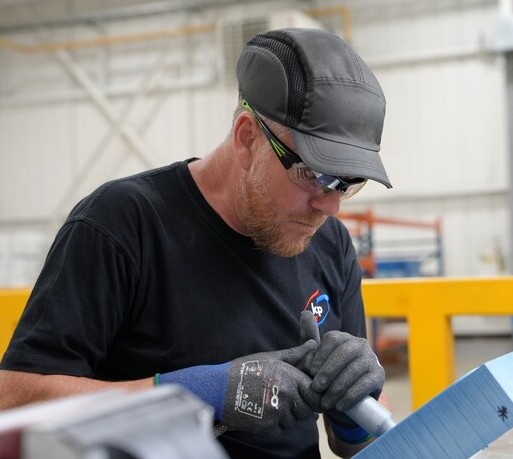
The programme provides a behind-the-scenes view of how packaging moves from concept through to production. This includes early-stage design, prototyping and testing, followed by scaling processes that enable consistent manufacturing.
This link between innovation and production is critical. Sustainability considerations must be supported by processes that are repeatable at scale and capable of delivering consistent quality. As a result, development work must remain closely connected to manufacturing reality.
Rather than a single breakthrough, progress in sustainable packaging is typically the result of incremental improvements across materials, design and processing - brought together through collaboration across different functions.
This link between innovation and production is critical. Sustainability considerations must be supported by processes that are repeatable at scale and capable of delivering consistent quality. As a result, development work must remain closely connected to manufacturing reality.
Rather than a single breakthrough, progress in sustainable packaging is typically the result of incremental improvements across materials, design and processing - brought together through collaboration across different functions.
More like this
Follow us


Contact us
Klöckner Pentaplast GroupCapital House, 4th Floor,
25 Chapel Street
London NW1 5DH
United Kingdom
Legal
Copyright® Klöckner Pentaplast 2026 | kp and other kp marks are registered or proprietary marks of Klöckner Pentaplast